
Nutrition Undergraduate Research Immersion in the Summer: NURISh


Program Overview
Nutrition research is a highly interdisciplinary field focused on human health, spanning from community-based to biochemical pathways and nutritional genomics. At Texas A&M, our faculty address major health issues like obesity, diabetes, cancer, metabolic health, and more. Our 10-week, 40hr/week research program offers undergraduates immersive experience in both wet and dry lab settings, working alongside leading researchers on projects supported by over $3 million in annual funding. Participants gain hands-on training, contribute to meaningful discoveries, and develop skills for future careers in science.
Travel dates: May 28 – May 30 (arrival) and August 6 – 7 (departure)
Program dates: Tuesday, June 1 through Friday, August 6
Attend one of our Virtual Information Sessions:
Dates and times coming soon!
Applications open September 26, 2026 – February 13, 2027
To apply you need:
- Statement of intent
- Resume
- Unofficial Transcript (official transcript will be requested upon acceptance)
- Three contacts to submit an evaluations. (Rather than a recommendation letter, we are using an evaluation survey)
- A request for an evaluation will be automatically sent to the email address you provide upon submission of your application. We strongly encourage you to contact your recommender in advance so they are aware of the request and can look out for the email (due March 1st).
Eligibility: This program is open to domestic U.S. undergraduates studying nutrition, biology, chemistry, or any life science, who will be entering their Sophomore, Junior, or Senior year in Fall 2027.
*Unfortunately, due to the source of our funding, we cannot accept international students at this time.

Research Experience
Students will participate in a 10-week summer research program.
Topics include:
- Cancer Prevention
- Inflammation
- Hormonal Health
- Chronic Disease
- PCOS
- Diabetes Mellitus
- Insulin resistance
Read more about our research faculty here.

Financial Support
Students in the NURISh Program will receive the following financial support:
- $7,000 Stipend
- On campus housing*
- Travel expenses up to $800*
Students will be enrolled in a one credit-hour seminar style course with invited faculty discussing their current research.
- Tuition and Fees paid for by NURISh Program
*Applicable for non-TAMU students ONLY

Professional Development
NURISh hosts bi-weekly professional development sessions to walk students through:
- How to write a good personal statement
- Alternative science careers
- Graduate admissions process and tips
- Mentorship from award winning faculty
- Opportunity for early admission into our graduate program
Additionally, NURISh hosts several dinners and social events with peers, current students, and faculty for networking and community.
Frequently Asked Questions
Do I need prior research experience?
Prior research experience is not required, however is something the admissions committee considers. Experience serves as an additional layer to your application that demonstrates your preparedness for the program. Each lab has individual protocols and procedures the respective undergraduate students are trained in at the beginning of the program. Students also receive guidance throughout the program.
How are students assigned to labs?
Once students have been accepted into the program, we provide them with a list of labs that are participating in the summer alongside summaries of the research project the student would be involved in should they join that lab. Students then rank the labs in order of interest and are matched with labs based on rankings. Most labs only have one student per summer, but some take two.
Do I have to be available for the entire summer?
Yes. Because the summer program is intensive and only 10-weeks long, we require that students can commit to all 10-weeks to not miss any critical material during the program.
What is the time commitment?
The base time commitment is weekdays 8am-5pm. Labs may differ, having later start and end times or varying flexibility. Occasionally, students have been asked to come in over a weekend to complete an experiment, however this is not common and not a consistent expectation of the program.
Can I work or take a class while participating in NURISh?
You may work or take a class while in NURISh; however, because the program is full-time, we do not recommend this and expect the priority to be the NURISh program, as it is a paid position. You may not work or be enrolled in a class that requires you to be in person or online during the 8am-5pm workday period.
Past NURISh Researchers & Projects

Julia Richard
Does Using Lipid Emulsion With Omega-3 Fatty Acids Prevent Parenteral Nutrition-Induced Lean Non-Alcoholic Fatty Liver Disease?
Julia was a part of the second NURISh cohort and she worked in Dr. Catharine Ross’s lab on a project that asked: can you fight fat with fat? When patients cannot intake solid food in clinical settings, they receive parental nutrition (PN), which has been shown to lead to fatty liver disease as fat accumulates in the liver. Julia’s project examined whether this fat buildup could be avoided by supplementing PN with a lipid emulsion, to make the nutritional content of PN more balanced across macronutrients.
Over the course of 10 weeks in NURISh, Julia gained experience doing things like:
- Animal handling
- Animal caretaking and diet preparation
- Animal phenotyping
- Necropsy and tissue collection
- Tissue processing
- Image capture and analysis

Aashi Srivastava
Investigating the Growth of Klebsiella pneumoniae in Mixed Nutrient Environments
Aashi was part of the second NURISh cohort and worked under the mentorship of Dr. Sylvie Estrela. During her time in Dr. Estrela’s lab, she worked on understanding the growth of gut-dwelling bacteria K. pneumoniae. When bacteria are cultured in a lab setting, they often have a controlled source of carbon – but this does not mimic gut or soil environments where they are found, where multiple nutrients are present at once. Aashi’s project compared growth curves of this bacteria when different carbon sources were present in varying concentrations to understand how this bacteria makes decisions about what carbon sources to use when throughout it’s growth.
Aashi learned things during her NURISh experience such as:
- Bacterial growth media generation
- Liquid and solid media culturing
- Aseptic technique
- Bacterial growth quantification
- Growth curve data collection and analysis

James Harris
Pcsk6 and its Effect on Adipogenisis & Fibrosis in Obesogenic Conditions
James was a part of the second NURISh cohort and he worked in Dr. Linglin Xie’s lab. His project looked at how the deletion of a gene, called Pcsk6, impacts the development of fibrosis in subcutaneous fat under obesogenic conditions. Pcsk6 plays a role in a lot of chronic diseases, and fibrosis is one of the drivers of negative outcome associated with obesity like insulin resistance and metabolic dysfunction.
During this experience, James learned skills like:
- Microscopy
- Histological sample processing
- Tissue staining
- Cell morphology analysis
- Image analysis
- Crown structure identification

Kira Buza
Histological Assessment of Hepatic Steatosis and Fibrosis in Response
to Intermittent Fasting and GHSR Deletion in High-Fat Diet-Induced Obesity
Kira was a part of the first NURISh cohort and she worked in Dr. Yuxiang Sun’s lab on a project that examined molecular responses to a high-fat diet in gene-edited mice. These mice had the ghrelin receptor, GHSR, deleted in their cells, and Kira looked at how this deletion in combination with a high-fat diet effected liver tissue.
During this experience, Kira gained experience doing things like:
- Histological sample processing
- Tissue staining
- Staining analysis
- Image analysis
- Microscopy
Contact Us
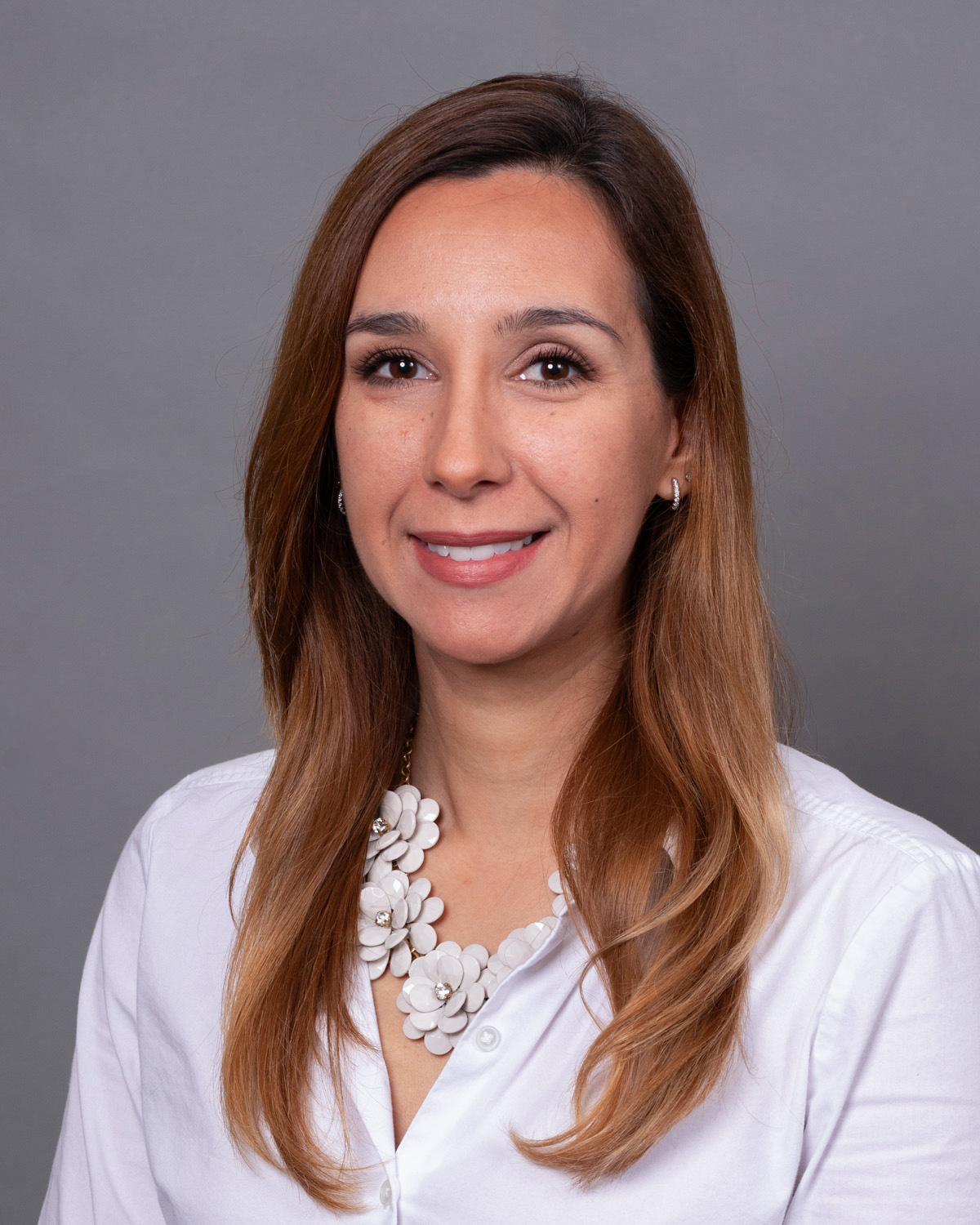
Ximena Paez-Colasante
Associate Department Head for Administration Department of Nutrition, NURISh Program Director
